The Power of Community for Aging Well
Aging, Social Connection, Senior Wellness
The Power of Community: Why Staying Connected Matters as We Age
As the years go by, good health is about far more than blood pressure readings or step counts. Our relationships, routines, and sense of belonging play a powerful role in how well we age. For many older adults, nurturing social connection, building support networks, and preventing loneliness can be just as important to long-term wellness as any prescription or exercise plan.

Staying Connected at Every Age
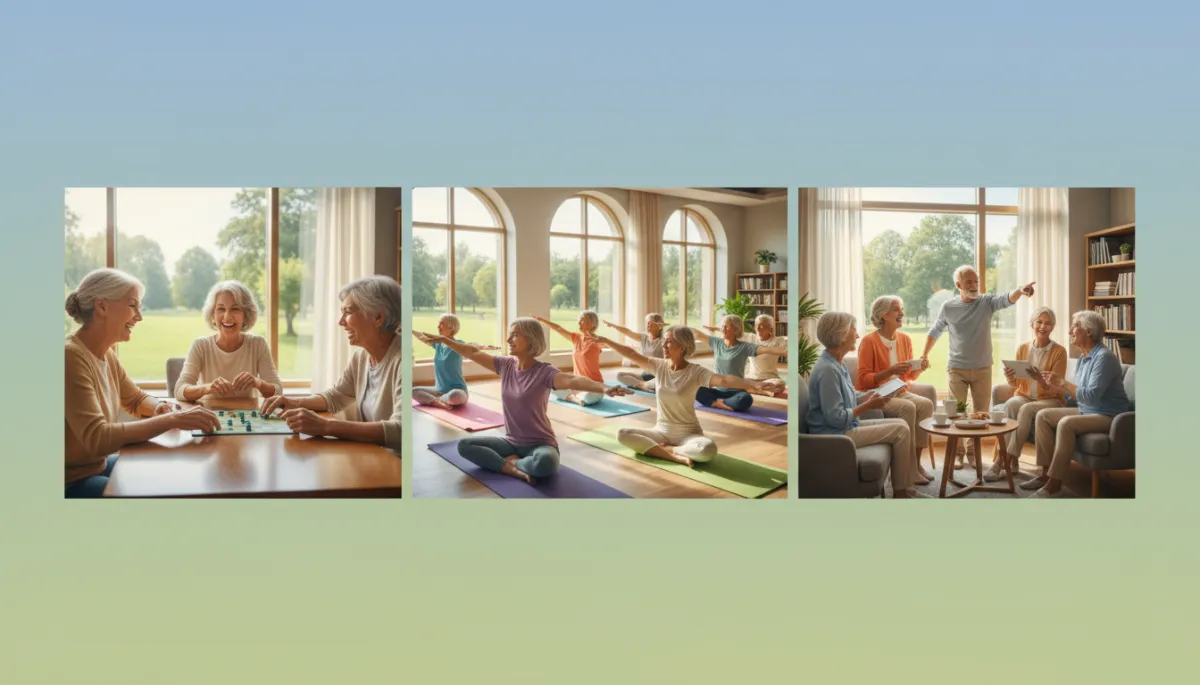
Community, conversation, and shared moments support healthy aging
Why Social Connection for Older Adults Is a Health Essential
Social connection for older adults is more than a pleasant extra; it is a core ingredient of community and healthy aging. Studies consistently show that people who maintain close relationships and feel part of a community tend to live longer, recover faster from illness, and experience better overall mental health. In contrast, chronic loneliness has been linked to higher risks of heart disease, depression, cognitive decline, and even earlier mortality.
As we age, life transitions can quietly chip away at our social world. Retirement may mean fewer daily interactions. Children and grandchildren may move away. Friends and spouses may face health challenges or pass on. Mobility issues or limited transportation can make it harder to get out. Without planning and intention, it becomes easy to slip into isolation, even for people who once had busy, social lives. Recognizing these changes early is the first step in protecting our emotional well-being and loneliness prevention.
💡 Gentle reminder: Wanting more connection is not a sign of weakness. It is a deeply human need that deserves care and attention at every age.
Community and Healthy Aging: How Belonging Supports the Body and Mind
When we talk about community and healthy aging, we are really talking about the power of feeling seen, valued, and included. Community can be a neighborhood, a faith group, a club, a volunteer organization, or even an online group that meets regularly. What matters most is the sense of mutual care and shared experience. Being part of a community gives structure to the week, provides reasons to get out of the house, and creates opportunities to both give and receive support.
From a physical health perspective, strong social ties can encourage healthier habits. Friends might invite you on a daily walk, remind you of medical appointments, or share recipes for nutritious meals. Group exercise classes, walking clubs, and hobby groups can all contribute to senior wellness by combining movement with meaningful interaction. The simple act of knowing that someone is expecting you can be a powerful motivation to stay active and engaged, even on low-energy days.
Emotionally, community helps buffer stress. When challenges arise—whether a new diagnosis, financial worry, or a loss—having people to talk to can lower anxiety and protect mental health. Sharing stories with peers who understand what you are going through can reduce feelings of shame or “being the only one.” It reminds us that aging is a shared human journey, not something we have to face alone.
Senior Wellness: Looking Beyond Diet and Exercise
Traditional conversations about senior wellness often focus on physical health—medications, nutrition, fall prevention, and doctor visits. These are all crucial, but they tell only part of the story. Whole-person wellness also includes emotional resilience, a sense of purpose, and the joy that comes from connection. In fact, some experts now refer to loneliness as a “social risk factor” for health, placing it alongside smoking or lack of physical activity in terms of its impact on well-being.
A well-rounded approach to wellness for older adults might include:
Physical health habits such as regular movement, sleep, and balanced nutrition.
Mental health care, including stress management, counseling when needed, and activities that bring joy and calm.
Social connection through friendships, family ties, group activities, and community involvement.
Purpose and contribution, such as volunteering, mentoring, caregiving, or creative projects that make a difference.
When these pieces come together, staying connected as we age becomes not just something we “should” do, but something that genuinely enriches daily life—keeping curiosity alive, offering reasons to get up in the morning, and reinforcing that we are still needed and valued.
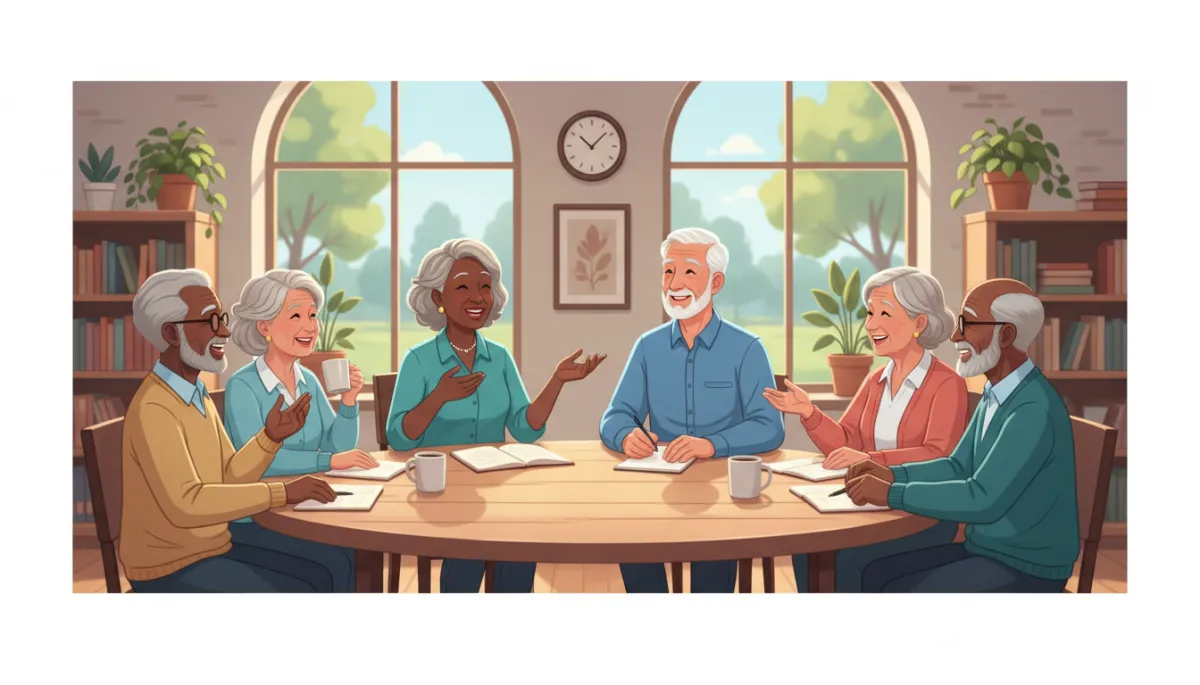
Leading or joining group activities can boost confidence, purpose, and daily motivation.
Staying Connected as We Age: Practical Ways to Build and Nurture Bonds
While the benefits are clear, many people wonder how to actually deepen social connection in later life. The good news is that meaningful relationships do not have to be complicated or time-consuming. Small, consistent actions add up. Here are some practical ideas for staying connected as we age, whether you are naturally outgoing or more reserved by nature.
1. Start with the connections you already have
Reaching out does not always mean meeting new people. Sometimes it begins with gently strengthening relationships that are already present. You might call an old friend once a week, schedule a regular video chat with a grandchild, or invite a neighbor for tea. Consistency is powerful; even a short, weekly check-in can create a rhythm of connection that both of you come to rely on and enjoy.
2. Explore community programs and interest groups
Many communities offer senior centers, libraries, and faith organizations that host activities specifically designed to support social connection for older adults. These might include book clubs, art classes, walking groups, language lessons, or technology workshops. Joining a group centered on a shared interest makes it easier to start conversations, because you already have something in common to talk about. Over time, casual acquaintances can grow into trusted friendships and reliable support networks.
3. Use technology as a bridge, not a barrier
While technology can feel intimidating at first, it can also be a powerful tool for loneliness prevention, especially when loved ones live far away. Video calls, group chats, and online classes can bring faces and voices into your home, making distance feel smaller. Many libraries, community centers, and senior organizations offer free or low-cost lessons on using smartphones, tablets, and computers. Asking for help with technology is not a sign of weakness; it is a sign of willingness to stay engaged with the world around you.
4. Give as well as receive: the power of contribution
One of the most fulfilling ways to build connection is through giving. Volunteering, mentoring younger people, sharing a skill, or offering a listening ear can all strengthen support networks while boosting your own sense of purpose. Many organizations actively seek older volunteers because of their life experience and reliability. Contribution transforms relationships from one-sided support into mutual care, which is essential for long-term senior wellness.
5. Respect your own pace and personality
Not everyone enjoys large gatherings or constant activity, and that is perfectly okay. Meaningful connection does not require being the life of the party. A few close relationships can be just as powerful as a big social circle. The key is to find a level of interaction that feels sustainable and genuine for you. That might look like a quiet weekly lunch with a friend, a small discussion group, or a regular phone call with a sibling. Honor your temperament while still gently stretching yourself to stay engaged.
💡 Pro Tip: Set one small, realistic goal—such as one social activity each week—and build from there. Progress, not perfection, is what matters.
Mental Health and Aging: How Connection Protects the Mind
Emotional well-being is a central part of aging well. Loneliness and social isolation can quietly erode mental health, leading to increased risk of depression, anxiety, and cognitive decline. On the other hand, regular social interaction stimulates the brain, offers emotional support, and provides opportunities for laughter and joy—all of which contribute to a more positive outlook and sharper thinking.
Conversation, even about everyday topics, exercises memory, language, and problem-solving skills. Learning new hobbies with others—such as a dance class, a card game, or a discussion group—can further challenge the brain in a gentle, enjoyable way. When combined with other healthy habits, social engagement becomes a powerful ally in protecting mental function and emotional balance as the years go by.
Support Networks: Your Circle of Care and Encouragement
A strong support network is like a safety net woven from relationships, resources, and routines. It might include family members, friends, neighbors, healthcare providers, faith leaders, and community organizations. Together, these connections create a circle of care that can respond when life becomes challenging. Building and maintaining support networks is one of the most effective ways to promote community and healthy aging.
Support networks are not only for crises. They also enrich everyday life. A neighbor who brings in your mail, a friend who checks in after a medical appointment, or a group that celebrates birthdays together all contribute to a sense of security and belonging. Knowing that others care about your well-being can reduce stress, encourage healthier choices, and provide comfort during times of change or loss.
Loneliness Prevention: Small Steps with Big Impact
Loneliness prevention often begins with acknowledging how you truly feel. It is possible to be surrounded by people and still feel lonely if you do not feel understood or emotionally connected. Likewise, a person with a small but close-knit circle may feel deeply supported. There is no shame in recognizing that you would like more connection in your life; in fact, this awareness is a courageous first step toward change.
From there, consider small, manageable actions:
Saying hello to neighbors or familiar faces when you are out.
Attending one new community event or class each month.
Joining a support group for people facing similar health or life circumstances.
Letting trusted friends or family members know you would like to spend more time together.
If feelings of loneliness or sadness persist, talking with a mental health professional or primary care provider can open the door to additional support. Counseling, support groups, or community programs specifically designed for older adults can make a meaningful difference in how connected and hopeful you feel day to day.
📌 Key Takeaway: You do not have to wait until you feel very lonely to reach out. Building connection when life is going smoothly makes it easier to lean on others when you truly need them.
Taking the Next Step: Designing Your Own Connected Future
Aging brings change, but it can also bring freedom—the freedom to choose how you spend your time, who you surround yourself with, and what kind of community you help create. Whether you are already deeply involved in your neighborhood or just beginning to look for ways to connect, it is never too late to strengthen social connection for older adults in your life and the lives of those around you.
You might start by asking yourself a few gentle questions:
Which relationships bring me energy, comfort, or joy—and how can I nurture them?
Are there interests or causes I care about that could connect me with like-minded people?
What small step could I take this week to reach out, show up, or say yes to an invitation?
Remember that building community is a gradual process. Every phone call, shared meal, or new activity is a thread in the larger fabric of your life. Over time, these threads weave together into a strong, supportive network that protects senior wellness, nurtures mental health, and makes the journey of aging richer and more meaningful.
Conclusion: You Were Never Meant to Do This Alone
At its heart, the power of community lies in a simple truth: we are wired for connection. From childhood to older adulthood, relationships help us feel safe, hopeful, and alive. As the years pass, intentionally staying connected as we age becomes one of the most loving gifts we can offer ourselves. It supports community and healthy aging, strengthens support networks, and plays a vital role in loneliness prevention.
Whether you take a first step by calling an old friend, exploring a local senior center, or learning to use video chat, each action matters. You do not have to transform your social life overnight. Small, steady choices can gradually expand your circle, nourish your mental health, and enhance your overall senior wellness. Aging may change many things, but your capacity to connect, contribute, and belong remains powerful at every stage of life.
You deserve a future filled with voices that know your name, hands that reach out when you need help, and shared moments that make each day worth remembering. Community is not a luxury; it is a lifeline. And it is one you have every right—and every ability—to claim as you grow older.