
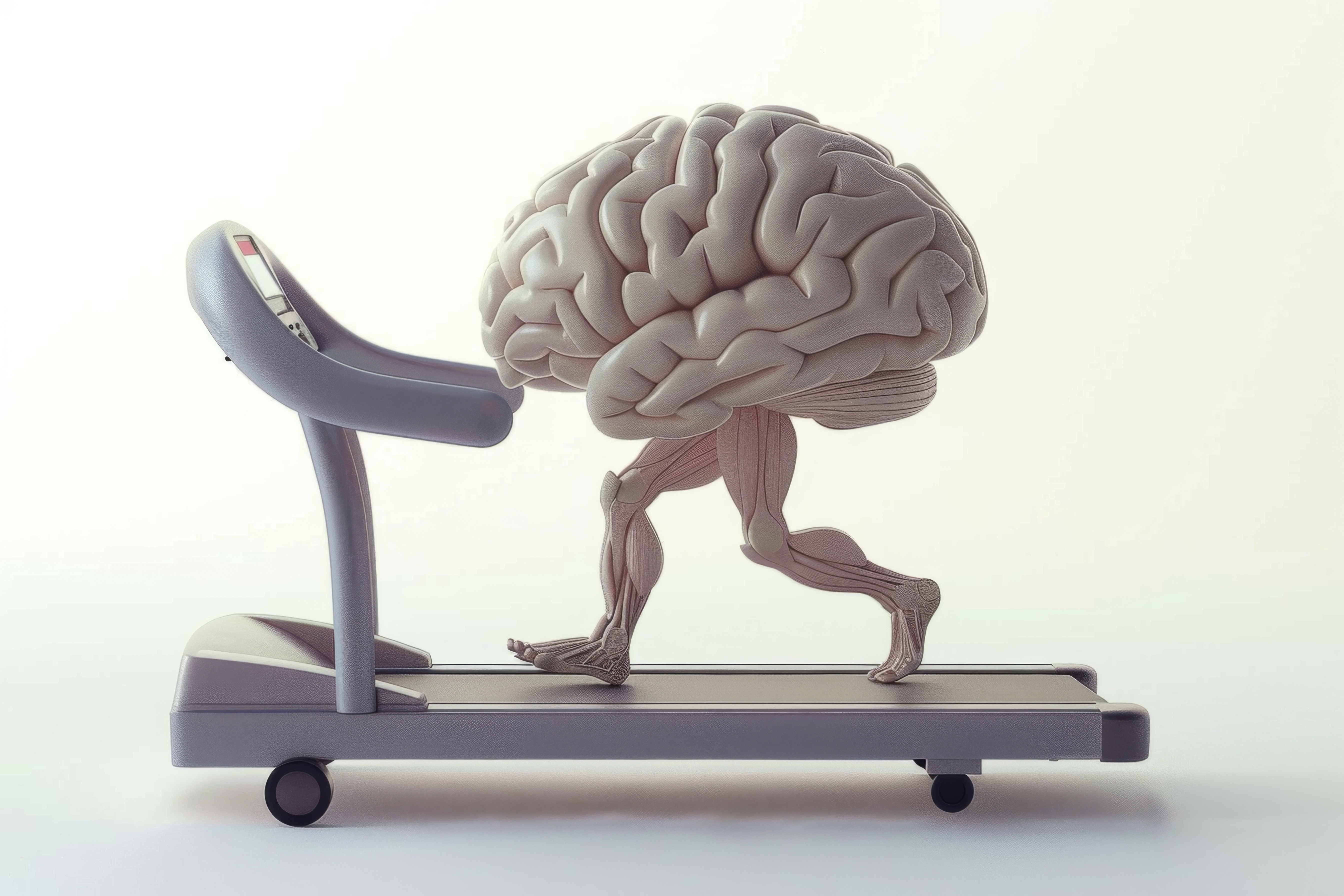
Why Am I Forgetting Things? The Truth About Brain Health, Aging, and Strength Training After 50
Why Am I Forgetting Things? The Truth About Brain Health, Aging, and Strength Training After 50
By: Jo Ann Goodie, RN. CPT
Fit Just4U Personal Training & Wellness Center
Aging Well with Strength, Purpose & Power
“Now why did I walk in here again?”
If you’ve ever walked into a room and paused… wondering why you came in there in the first place—you are not alone.
Many adults over 50 experience moments of forgetfulness. And for some, those moments can bring concern, fear, or even anxiety—especially if there is a family history of dementia or Alzheimer’s disease.
But let’s pause and take a deep breath.
Forgetfulness does not automatically mean something is wrong.
In many cases, it simply means your brain is changing—not failing.
Normal Forgetfulness vs. Warning Signs
Normal age-related memory changes include: temporarily forgetting a name but remembering it later, misplacing your keys, or taking longer to recall a word. These are common and not cause for alarm.
However, speak with your doctor if you or a loved one notice: getting lost in familiar places, forgetting recent events entirely, confusion with dates or the passage of time, or significant changes in personality or judgment. These can be early signs worth professional evaluation.
Remember: awareness is power. Knowing the difference helps you stay calm—and stay proactive.
What Happens to the Brain as We Age?
As we grow older, the brain undergoes natural changes—just like the rest of the body.
One key change involves something called myelin, the protective “wiring” around our nerve cells. Over time, this wiring becomes a bit less efficient.
Think of it like a high-speed internet connection that slows down slightly—not disconnected, just not as fast.
Because of this, the brain may take a little longer to process information, organize thoughts, and respond or recall information.
Aging vs. Lifestyle: What’s Really Driving Memory Changes?
A large portion of what we blame on aging is actually influenced by lifestyle.
Brain function is directly impacted by sleep quality, physical activity, nutrition, stress, and social engagement.
Many symptoms we associate with aging can be improved—and even reversed—with the right habits.
The Good News: Neuroplasticity
The brain has an incredible ability called neuroplasticity.
This means your brain can adapt, rewire, and strengthen at ANY age.
The Missing Link: Strength Training & Brain Health
Strength training is one of the most powerful tools for brain health.
It increases blood flow to the brain, stimulates brain growth through BDNF, improves balance and coordination, reduces stress, and enhances focus and decision-making.
So what is BDNF? BDNF stands for Brain-Derived Neurotrophic Factor. Think of it as fertilizer for your brain—it helps grow new brain cells, strengthens existing connections, and protects the brain against decline. Research from Harvard Medical School has shown that regular exercise, especially strength training, significantly increases BDNF levels. This is one of the most exciting discoveries in brain science: you can literally grow a healthier brain through movement.
Train Your Brain Like You Train Your Body
At Fit Just4U, we believe fitness is not just physical—it is mental, emotional, and spiritual.
Simple Ways to Support Brain Health
Here are seven evidence-backed habits to protect and strengthen your brain:
1. Strength Train 2–3 Times Per Week
Try exercises that challenge both your body and your brain—like a single-leg deadlift (balance + strength), a seated row with alternating arms (coordination), or walking lunges while counting backward from 100 by threes. These dual-task movements build neuropathways while strengthening your muscles.
2. Eat for Your Brain
Your brain thrives on the right fuel. Focus on: omega-3 fatty acids (found in salmon, walnuts, and flaxseed), leafy greens like spinach and kale, colorful berries rich in antioxidants, and healthy fats from avocado and olive oil. Limit processed sugars and ultra-processed foods, which promote inflammation—a key driver of cognitive decline.
3. Prioritize Quality Sleep
Sleep is not a luxury—it’s brain maintenance. While you sleep, your brain activates its glymphatic system, essentially a cleaning crew that flushes out toxic waste products—including proteins linked to Alzheimer’s disease. Sleep is also when your brain consolidates memories and processes learning. Aim for 7–9 hours of quality sleep each night.
4. Stay Active Every Day
Even a 20-minute walk increases blood flow to the brain. Daily movement—beyond your workouts—keeps oxygen and nutrients flowing to your brain cells.
5. Stay Socially Connected
Social isolation is a significant risk factor for cognitive decline. Maintain friendships, join a class, volunteer, or be part of a fitness community. Connection is medicine.
6. Keep Learning New Things
Learning a new skill, language, instrument, or dance style challenges the brain and builds new neural pathways. Mental stimulation is just as important as physical exercise.
7. Manage Your Stress
Chronic stress floods the brain with cortisol, which over time can shrink key memory centers. Prayer, meditation, deep breathing, journaling, or a calming walk can all help bring stress levels down and protect your brain.
Final Encouragement
The next time you have a moment of forgetfulness—don’t panic. Instead, ask yourself: Am I supporting my brain?
Aging is not about decline—it’s about how we respond.
“Fit Just4U~Aging Well with Strength, Purpose & Power”
Ready to Start Training Your Brain?
At Fit Just4U Personal Training & Wellness Center, we design programs that strengthen your body and protect your brain—tailored specifically for adults 50 and beyond.
We’d love to connect with you. Schedule a complimentary consultation today and let’s build a plan that keeps you sharp, strong, and thriving for years to come.
📞 Call us: 832-649-5474 | 📲 Follow us on social media